
Sometimes desire does not fade because love is gone. It fades because too many small things are working against it at once.
New to Whyzper? Discover how our app helps couples deepen their connection. Learn more about Whyzper!
If intimacy has felt harder lately, the cause is often not a lack of attraction in the dramatic sense. More often, it is tension, emotional residue, bad timing, overstimulation, predictability, or the quiet feeling of not really being met. These everyday habits can turn the mood off long before either partner realizes what is happening.
What actually kills desire in relationships?
The good news: many desire blockers are changeable. When couples understand what is dampening connection, they can stop treating it like a mystery and start making small shifts that create more safety, anticipation, and closeness.
Desire usually drops when the nervous system is overloaded, the relationship feels emotionally tense, or intimacy starts to feel like pressure instead of connection.
That means the biggest desire killers are not always obvious. It is not just conflict, libido differences, or being “too busy.” It is also the habits that make a couple feel disconnected in subtle ways: harsh transitions from work mode to partner mode, unresolved resentment, constant distraction, repetitive scripts, and moments that leave one or both people feeling unseen.
10 everyday habits that quietly turn the mood off
1. Carrying tension straight into the evening
In other words: desire needs more than attraction. It needs the right conditions.
One of the most overlooked desire blockers is a harsh transition. Many couples move directly from emails, childcare, commuting, chores, or doomscrolling into couple time without any emotional reset. The body may be home, but the mind is still braced.
Desire tends to struggle when the nervous system is still in task mode. If you are activated, rushed, or mentally split, closeness can feel like one more demand.
2. Letting resentment residue pile up
Try this instead: create a short buffer ritual. Ten minutes of decompression, a shower, a walk, music, or simply asking, “What kind of evening do you have capacity for?” can help shift the tone. Small transitions matter more than people think.
Desire does not respond well to unresolved resentment. You can care deeply about someone and still feel less open, warm, or receptive when there is a backlog of hurt, unfairness, or disappointment sitting underneath daily life.
This does not mean every disagreement destroys attraction. It means unprocessed friction often lingers in the body. When someone feels emotionally burdened, intimacy may start to feel disconnected from the actual state of the relationship.
3. Treating connection like a switch, not a buildup
Try this instead: address small injuries earlier. Not every issue needs a heavy relationship summit, but many need acknowledgment. A simple “I think that moment stayed with us—can we clear it up?” can prevent distance from hardening.
A common myth is that desire should appear instantly if the relationship is healthy. In reality, many people experience desire as responsive rather than spontaneous. It grows through atmosphere, emotional safety, playfulness, and feeling chosen.
When couples expect an immediate spark after a long day, they may wrongly assume something is wrong.
Reality: desire often needs a runway.
4. Living in constant overstimulation
Try this instead: think in terms of buildup, not a button. Warm eye contact, affectionate touch, a thoughtful message, or a moment of genuine attention earlier in the day can change the whole emotional climate later on.
Phones, background noise, notifications, stress, and endless input can flatten desire. The mind becomes so saturated that there is little room left for anticipation, presence, or embodied connection.
Overstimulation does not always look dramatic. It can feel like irritability, numbness, restlessness, or never fully landing in the moment.
5. Becoming overly functional with each other
Try this instead: protect small pockets of sensory quiet. Put devices away during dinner. Dim the lights. End the night without three screens running. Desire often returns when there is enough space to actually feel something.
Many long-term couples become excellent co-managers of life. They coordinate schedules, bills, logistics, errands, and family duties with impressive efficiency. But if the relationship becomes purely operational, erotic energy often goes flat.
Why? Because desire is not fed by administration alone. People need moments of surprise, admiration, curiosity, and emotional aliveness.
6. Repeating the same script every time
Try this instead: interrupt the businesslike tone of daily life. Send a message that is warm rather than practical. Mention something attractive or endearing you noticed. Ask a question that is not about logistics. Functional love is important, but it cannot carry the whole relationship.
Predictability can create safety, but too much predictability can drain anticipation. If intimacy always follows the same emotional sequence, same timing, same cues, and same assumptions, the experience can start to feel automatic rather than alive.
This is one reason attraction can feel muted in long-term relationships even when the bond is strong.
7. Missing each other emotionally during the day
Try this instead: introduce novelty in low-pressure ways. Change the setting, timing, tone, or rhythm of your connection. Novelty does not have to be dramatic. Sometimes a different kind of conversation, more slowness, or a playful shift in routine is enough to wake something up.
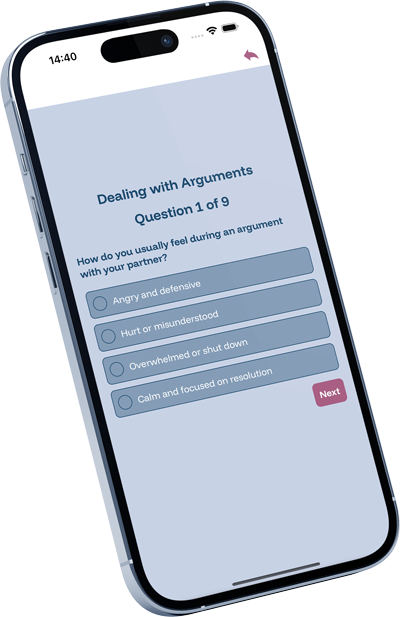
Ready for deeper conversations?
The DeepTalk feature in Whyzper guides you through meaningful questions to help strengthen your emotional connection.
Download Whyzper for freeDesire is often linked to emotional intimacy more than couples realize. If one or both partners feel ignored, dismissed, or emotionally invisible, that disconnection can quietly reduce openness to closeness later.
8. Turning intimacy into a performance test
This does not require cruelty. Sometimes it is just a pattern of distracted listening, half-responses, lack of curiosity, or never following up on what matters to the other person.
Try this instead: practice micro-attunement. Remember the stressful meeting. Ask how the conversation with a parent went. Notice their mood before jumping into your own agenda. Feeling seen is one of the most underrated aphrodisiacs in a relationship.
Desire tends to shut down when intimacy starts to feel evaluated. Pressure can come from many places: assumptions about frequency, silent expectations, fear of disappointing a partner, or the belief that every intimate moment has to be meaningful, passionate, and successful.
9. Letting self-abandonment replace self-connection
When people feel they have to perform instead of connect, anxiety rises and desire often falls.
Try this instead: lower the stakes. Make room for closeness that is affectionate, imperfect, and pressure-free. Intimacy works better when it feels like a shared space, not a test anyone has to pass.
Sometimes the problem is not only between partners. It is also within one person’s relationship to themselves. Chronic stress, low body awareness, people-pleasing, burnout, and disconnection from your own wants can all reduce sexual desire.
10. Waiting until things feel bad before talking about them
If someone is constantly overriding their own needs, it becomes harder to access genuine wanting at all.
Try this instead: rebuild self-connection gently. Rest more honestly. Notice what helps you feel present in your body. Pay attention to what turns you on emotionally, not just physically. Desire grows better in people who feel allowed to have an inner world.
Many couples only discuss intimacy when frustration is already high. By then, the conversation may carry defensiveness, shame, or fear of rejection. That makes the topic feel heavier than it needs to be.
Myth vs. reality: what many couples get wrong about desire
Myth: If attraction is real, desire should be effortless
The healthiest relationship communication around desire usually happens before a crisis. It is lighter, more curious, and less loaded.
Myth: If intimacy feels harder, the relationship must be broken
Try this instead: talk about connection when things are relatively calm. Use language that invites discovery rather than blame: “What helps you feel close lately?” “What has been getting in the way?” “What would make things feel easier between us?”
Myth: The solution is to try harder
Reality: In long-term relationships, desire often needs context, care, and intentionality.
Myth: This is only about libido
Reality: Many couples go through seasons where stress, life changes, emotional buildup, or routine affect closeness.
How to bring back desire without creating more pressure
Reality: Pressure usually backfires. Better conditions work more effectively than more force.
- Create a transition ritual between daily stress and couple time.
- Clear small resentments before they become emotional residue.
- Protect moments of undistracted attention.
- Add novelty without making it a big performance.
- Talk about closeness with curiosity, not accusation.
- Prioritize feeling seen, safe, and emotionally met.
Reality: Desire is shaped by relationship dynamics, emotional intimacy, stress, communication, timing, and daily habits.
If you want a practical place to start, focus on reducing friction before trying to manufacture chemistry.
FAQ: common questions about what kills desire
Is it normal for desire to drop in long-term relationships?
This is also where tools can help. Whyzper fits naturally into this space as a discreet, emotionally intelligent relationship companion for intimacy, desire, and connection. Not as a replacement for real conversation, and never as pressure, but as a gentler way to open the door when words feel awkward or timing feels hard.
Can emotional disconnection affect sexual intimacy?
For many couples, desire does not return through one grand fix. It returns through a series of small moments that make the relationship feel softer, safer, and more alive again.
What if we love each other but the mood is rarely there?
Yes. Desire naturally changes over time and is influenced by stress, routine, emotional connection, life stage, and relationship patterns. A dip does not automatically mean lost love or lost attraction.
Should couples talk directly about desire?
Absolutely. Feeling unseen, dismissed, tense, or resentful can reduce openness to closeness. Emotional intimacy and sexual desire are often more connected than couples expect.
Final thought
That usually points to conditions, not failure. Look at stress, transitions, unresolved tension, overstimulation, pressure, and predictability before assuming the bond itself is the problem.
Usually yes, but gently. The most helpful conversations are low-shame, specific, and curious. Focus less on blame and more on what helps each person feel connected, relaxed, and wanted.
Desire is not only about chemistry. It is also about climate.